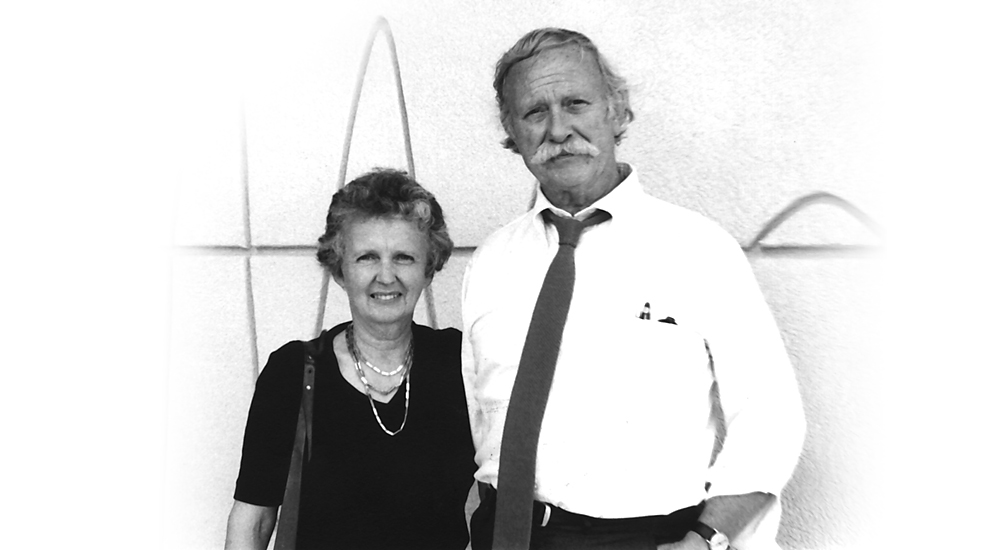
photo of Ralph Rapson

Home
Memorial Funds
Memorial Service
Photo Gallerycoming soon

Ralph Rapson & Associates, Inc.
409 Cedar Ave South
Minneapolis, MN 55454
Phone: 612-333-4561
Fax: 612-333-4318

Questions?
Lane Rapson
lr@rapsonarchitects.com

Ralph Rapson September 13, 1914 - March 29, 2008

Ralph Rapson died suddenly in his home, from heart failure. He was preceded in death by his beloved wife, partner, and soul-mate of more than fifty years Mary Christine Rapson. Survived by his son Rip of Detroit, Michigan and daughter-in-law Gail Rapson of Minneapolis and their son Avery and daughter Anna; his son Toby and daughter-in-law Janet Czaia of Minneapolis and their sons Ian, Lane, Devin, and Miles.

Ralph was born in Alma, Michigan, the son of Mabel Rapson, a homemaker, and Frank Rapson, an electrician. The youngest of three brothers, he was born with a deformity in his right arm that required amputation. There were many things he couldn't do with one hand, but he could draw, and he did, becoming one of the foremost architectural draftsmen of the 20th century.

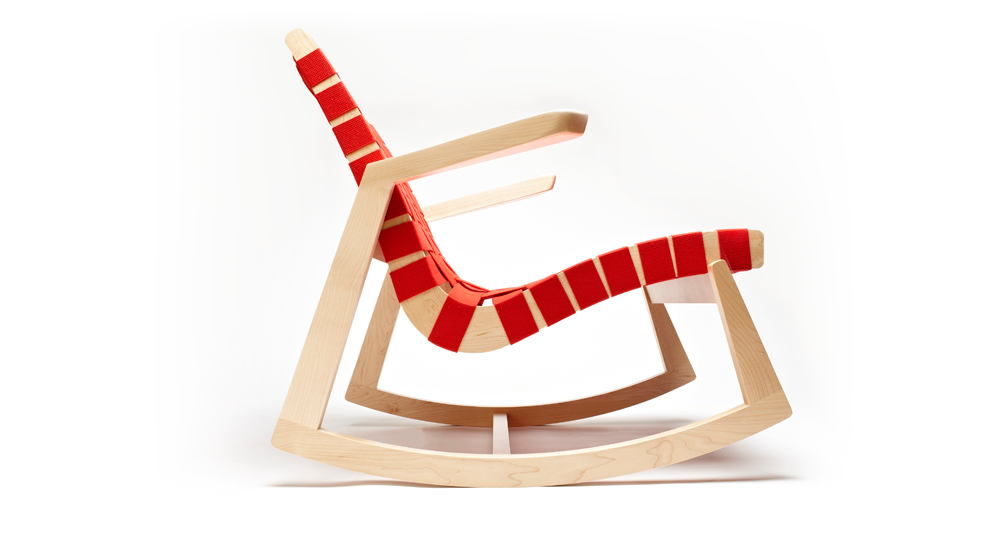
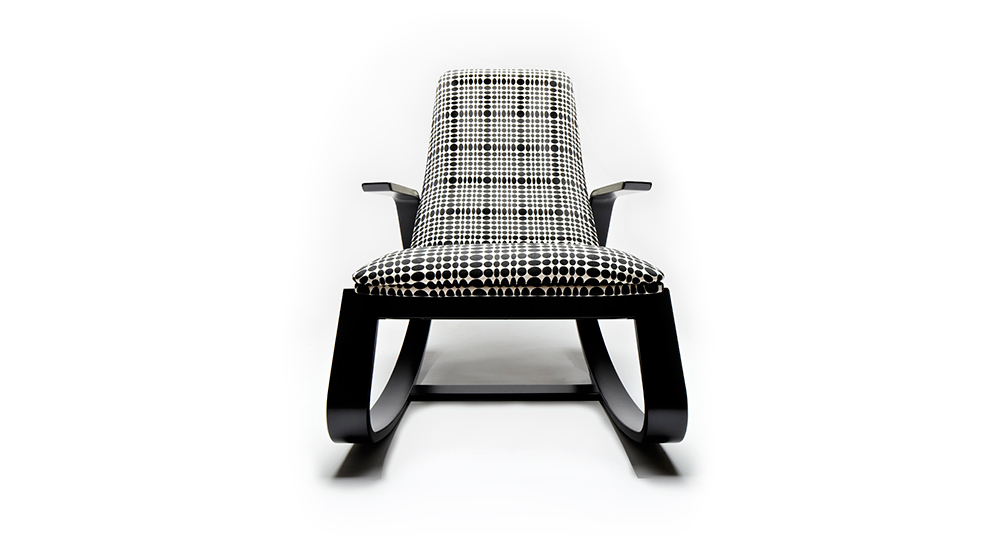
After completing his studies at the University of Michigan's College of Architecture in 1938 and being invited by Frank Lloyd Wright to apprentice with him at Taliesin, he studied at the Cranbrook Academy of Art. He studied under Eliel Saarinen and joined the Saarinen architectural office, together with Saarinen's son Eero. With his colleagues Harry Weese, Benjamin Baldwin, Charles Eames, Harry Bertoia, and Florence Schust Knoll, among others, Rapson immersed himself in Cranbrook's interdisciplinary approach to metalworking, sculpture, photography, graphic design, architecture, city planning, and textile design. It was at Cranbrook that Ralph rendered his first design for the 'Rapson Rapid Rocker,' a masterpiece of modern furniture design that debuted formally as part of the Knoll Furniture line in a 1945 exhibit at Bloomingdale's. It was one of hundreds of furniture designs he produced for Knoll and others over the next decade.

Ralph moved to Chicago in 1941, where he worked with such architects as Fred Keck, won a series of significant national design competitions for post-War housing, and experimented with new technologies and materials. He subsequently headed the design curriculum at the New Bauhaus in Chicago under Lazlo Moholy-Nagy. He was also chosen to design one of the first 'Case Study' houses, a seminal project in American post-WWII housing design. His Case Study House #4, the 'Greenbelt House,' was built for exhibition forty years later at the Los Angeles Museum of Contemporary Art. In 1946, he joined the architecture faculty at MIT under William Wurster, where he co-taught with the pioneering city planner Kevin Lynch and formed a friendship with Alvar Aalto. In 1950, he and Mary opened the East Coast’s first modern furniture design store, Rapson Inc.

Ralph was recruited in 1951 to design the first modern American embassies in Europe. Over the next two years, he worked on ten embassy, consulate, and staff housing projects, including the Stockholm and Copenhagen embassies. In 1954, he was recruited to become Dean of the University of Minnesota's School of Architecture. He was the first dean of a school of architecture to combine educational administration with an architectural practice. Over the thirty years of his tenure, he molded the leadership of two generations of architectural practice, cultivated a student body possessing peerless drawing skills, brought in visiting professors such as Buckminster Fuller and Siegfried Gideon, and elevated Minnesota into the top half-dozen architectural programs in the nation.

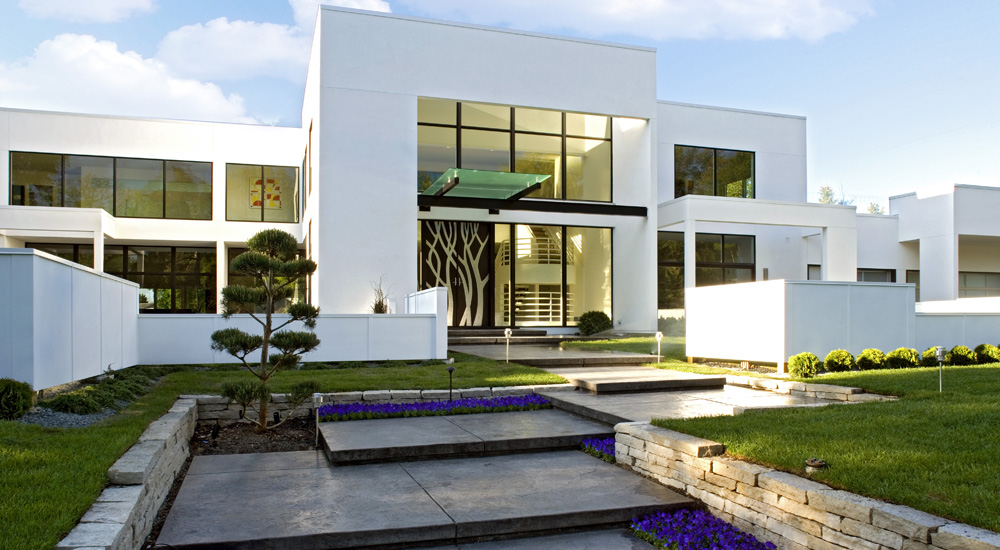
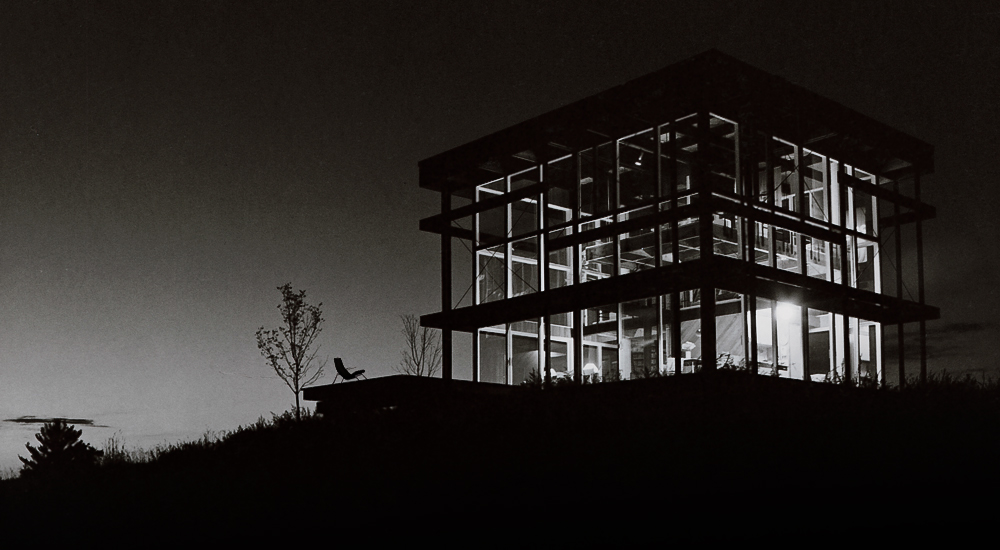
Over the next fifty years, the architectural office of Ralph Rapson and Associates designed projects that helped establish and define the modern architecture movement in Minnesota. From a dozen homes in the University Grove neighborhood to such widely heralded private residences such as the Pillsbury and Brooks houses. From the Hope Lutheran, St. Peters, and St. Thomas churches to a credit union later converted to the Minneapolis Southeast Branch Library. From performing arts centers and his own glass house in Wisconsin to the multicolored towers of Cedar Riverside. The building for which he is probably best know, the Guthrie Theatre, was heralded as one of the most innovative and important theater designs of the post-War era, a civic icon that gave physical manifestation to Tyrone Guthrie's vision for the nation's first regional repertory theater.

Ralph was immensely proud that his son Toby worked at his side at the Rapson architectural office for thirty years and his grandson Lane for the last four. He continued working in the office up to the day before he died. He lived life to its full potential with a kindness, graciousness, and generosity that touched all who knew him. He was deeply loved. He will be profoundly missed.